
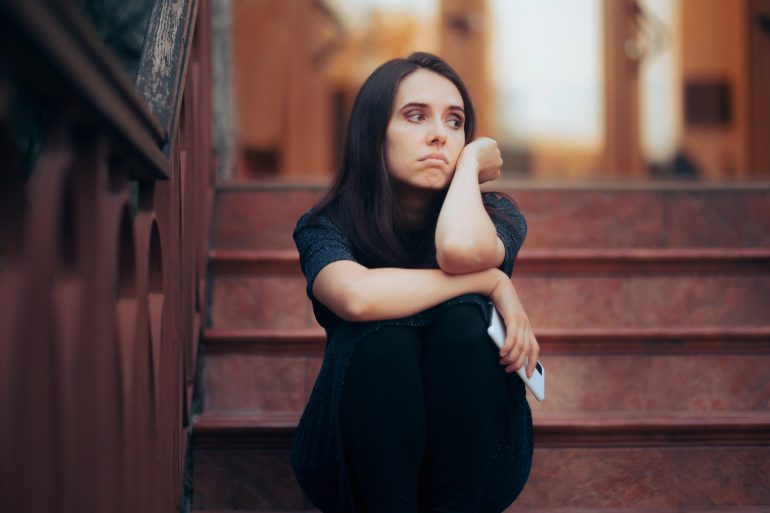
The Netherlands is generally regarded as a safe country, but recent research suggests that many young people do not always experience it that way. A new nationwide survey reveals that almost two-thirds of Dutch youngsters sometimes or frequently feel unsafe, raising concerns about their wellbeing, freedom of movement and confidence in public spaces.
According to research published in October 2026 by State of Youth NL, an initiative of children’s rights organisation KidsRights, 63 percent of young people aged 12 to 29 experience feelings of insecurity. The study, involving 1,980 respondents, found that these concerns are particularly widespread in public spaces and disproportionately affect girls and young women.
The findings reveal that 82 percent of respondents sometimes feel unsafe when walking alone outside at night, while 47 percent experience insecurity on public transport. Such concerns influence everyday decisions, including where young people go and which places they avoid.
The differences between young men and women are particularly striking. Half of the girls and young women surveyed reported having experienced sexually inappropriate or transgressive behaviour. Furthermore, 54 percent deliberately avoid certain locations because they feel unsafe there, compared with 41 percent of all respondents.
The research also examined experiences of intimidation, aggression and harassment. Overall, 69 percent of participants reported having experienced at least one form of inappropriate or harmful behaviour. Verbal insults were the most frequently reported, affecting 47 percent, followed by sexually transgressive behaviour at 33 percent and physical aggression at 28 percent.
Insecurity is not limited to streets and public transport. Online environments also present challenges. Sixteen percent of respondents reported experiencing cyberbullying, while an equal proportion had received threatening messages. Nine percent said images of themselves had been distributed without their consent.
These findings are consistent with broader developments identified by Statistics Netherlands (CBS). Its Safety Monitor 2025, published in March 2026, found that 37 percent of Dutch residents aged 15 and older sometimes feel unsafe, compared with 33 percent in 2019. Although feelings of insecurity remain below the levels recorded two decades ago, they have increased since 2021. The CBS figures also confirm substantial differences between age groups and genders.
Among women aged 15 to 24, approximately 60 percent reported sometimes feeling unsafe, compared with 27 percent of men in the same age group. However, this difference has remained relatively stable over the past four years, indicating that insecurity among young women is not a new phenomenon.
Location also plays an important role. According to CBS, 43 percent of residents in highly urbanised municipalities sometimes feel unsafe, compared with 29 percent in non-urban areas. Feelings of insecurity within people’s own neighbourhoods have also increased in recent years.
Importantly, perceptions of safety do not necessarily correspond directly with recorded crime levels. Feelings of insecurity can be influenced by personal experiences, the surrounding environment and concerns about potential incidents. The surveys therefore measure how safe people feel rather than establishing whether young people face a greater objective risk of becoming victims of crime.
The KidsRights study also reveals dissatisfaction with how seriously young people’s concerns are taken. Respondents gave an average score of just 5 out of 10 when asked whether their views on safety were being heard.
Young people themselves identified several possible improvements. More than half supported stronger action against bullying and intimidation, greater attention to mental wellbeing and increased supervision in public spaces. Online, respondents called for faster removal of harmful content and more effective responses to complaints.
The findings highlight an important distinction between living in a statistically safe country and experiencing a genuine sense of security. For a substantial proportion of Dutch youngsters, particularly girls and young women, feeling unsafe has become a factor influencing everyday choices. The challenge for authorities, schools and communities is not only to address harmful behaviour, but also to ensure that young people can move freely and participate in society without unnecessary fear.
Written by Caroline Spraakman