
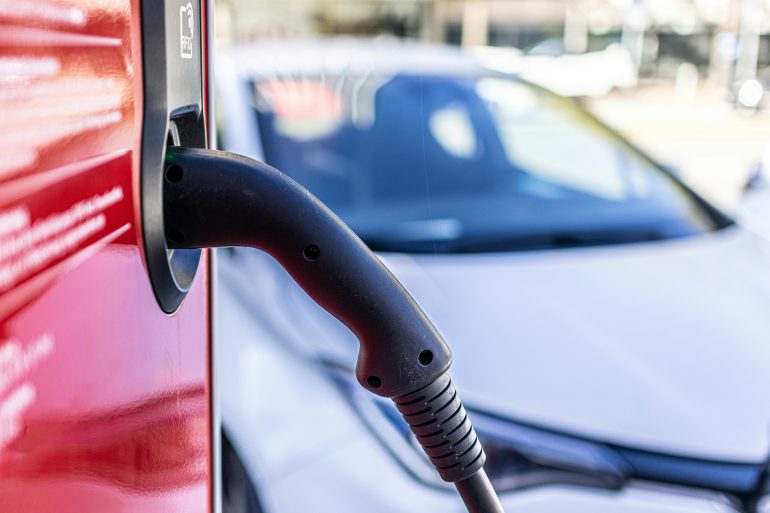
Once owned, electric cars are powerful, comfortable, green and cheap-to-run mobility options; but leaving other deterrents like range anxiety aside, it is mostly steep prices that keep many potential buyers reluctant to make the switch to an EV. However, due to recent higher fuel prices and the supply uncertainty since the start of the war against Iran, March 2026 saw a big popularity rise for electric car sales in the Netherlands, especially in the second-hand market.
According to numbers from mobility trade association Bovag, 13.847 used EVs were sold in the country in March 2026. That is 48 percent more than in February and almost 99 percent more than in March 2025. Consumer behavior was clearly affected by the higher fuel prices. By the end of the month, the market share of used electric cars was 7.6 percent of the total used-car sales, whereas it was only 3.8 percent in March 2025. Bovag chairman Bob Velthuis sees it as just a matter of math: ‘For consumers, it is ultimately a simple calculation. Fuel is expensive and more and more affordable used electric cars are entering the market, making electric driving a realistic option for a larger group. Moreover, the supply is increasing significantly.’
The trend extends to Europe as a whole, where interest in EVs has surged since March, reports The Guardian. Fuel prices have rose sharply, whereas electricity prices have remained more stable. EU petrol prices were 15 percent higher in early April compared to late February, and diesel was 30 percent more expensive in the same period. On top of that, the Netherlands sold the most expensive fuel in Europe by the end of March, both petrol and diesel, Euro News reports. This explains why consumers in the country feel more interested in switching to an EV now, when petrol has reached prices not seen since Russia first invaded Ukraine in 2022.
According to NOS, the Netherlands is known as a country for used vehicles, with a car fleet older than that of other countries in the region. In the used-car market, EVs remained a very small number against their fuel-ran counterparts, but that is slowly changing. On top of petrol prices, Bovag reports that there is a growing supply of EVs entering the used-car market, due partly to leasing companies increasingly outputting cars after being used by lease drivers for some years. Until recently, used EVs were sold to other countries with healthier second-hand electric car markets like Norway.
The combination of more expensive fuel and more abundant, cheaper second-hand electric cars explains the higher EV demand and selling numbers. Other factors could contribute as well, such as new regulation in the Netherlands allowing for owners who charge their EV at home to sell certificates to polluting companies, potentially amounting for hundreds of euros per year. These Emission Reduction Units (ERE) are a new form of carbon offsetting, which was traditionally only available to companies, but has been made available to private individuals since 2026, all framed by the 2050 carbon neutrality goals in Europe.
It remains to be seen whether the inclination for EVs in the used-car sector will keep surging in the future. With dynamic fuel prices, consumer preference tends to switch as well, and potentially decreasing fuel prices might make the market change again. However, enthusiasts believe that better charging infrastructure, the fact that batteries degrade only marginally (remaining at around 90-95 percent of capacity in a 5-year-old used EV) and a bigger market for used electrics might indeed make those who made the switch remain EV users for the rest of their lives.
Written by Juan Álvarez Umbarila