
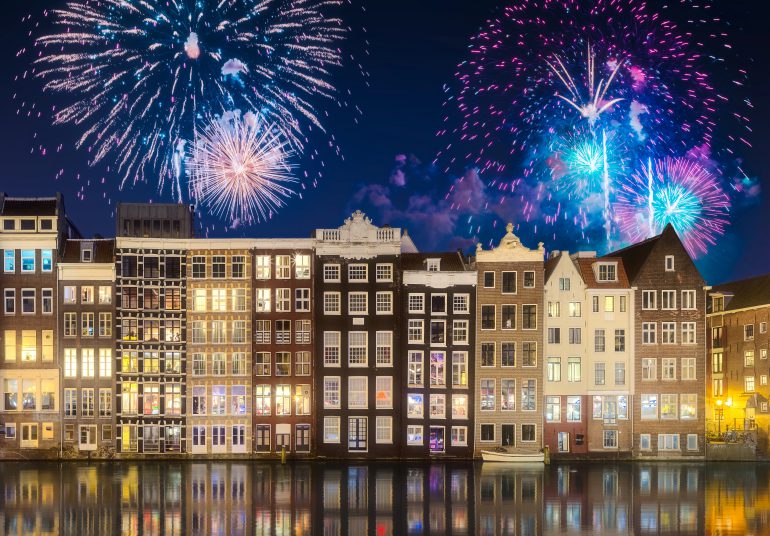
As municipalities prepare for the upcoming New Year’s Eve, the landscape is shifting. While the Safe New Year’s Eve Act, passed by the Senate in July 2025, introduces a nationwide ban on consumer fireworks, the law will only take effect after this year’s celebrations. This delay has created a unique dynamic – one of anticipation, preparation and growing tension.
Insights from a national survey
To better understand how municipalities are organizing this year’s celebrations and how they view a future without fireworks, a survey was conducted last month among all 342 municipalities. The survey included municipalities that still allow fireworks, those that have local bans, and others with fireworks-free zones.
121 responded, providing a clear snapshot of their current approach and expectations. What stood out is that, no matter their rules, all municipalities face similar problems and use almost the same methods to keep celebrations safe.
Last year’s New Year’s Eve
The transition from 2024 to 2025 was mostly calm across the country. About 38% of municipalities described it as quiet, while 55% said it was manageable. Only 7% reported unrest or serious problems, and major incidents were rare. Municipalities say the calm celebrations were mainly due to good preparation and strong teamwork with safety partners. Trouble spots were given extra attention, with more focused enforcement and a stronger police presence. The few problems that did occur were mostly caused by illegal or heavy fireworks.
Looking forward: the first year of the ban
Some municipalities are worried about New Year’s Eve in 2026/2027, when the national fireworks ban is expected to start. They think opinions about the ban might become more divided, and not everyone will support it.
Cities that already have local bans say they often don’t have enough staff to enforce the rules properly, and this could be a problem nationwide too. They also point out that the new law won’t stop the issue of illegal fireworks, which will remain a big challenge.
The survey results show that municipalities are working hard to keep New Year’s celebrations safe, using preventive measures and strong cooperation with partners. This focus on safety is echoed by the Netherlands Fire Service, which welcomed the national fireworks ban as a major step forward.
The Fire Service has expressed relief and support for the decision to ban consumer fireworks nationwide. Chairman Tijs van Lieshout hailed the move as a powerful message to emergency responders. The decision gives them a hope. A complete ban on fireworks is more than just a rule; it’s a clear sign of respect and care for the people who work tirelessly to keep everyone safe during the holidays. While welcoming the nationwide fireworks ban, van Lieshout voiced frustration over its postponed implementation.
Rising demand ahead of the ban
Fireworks shops are reporting a surge in sales this year, with many opening their webshops earlier than usual. It appears that the upcoming nationwide fireworks ban has sparked a rush among Dutch consumers eager to enjoy what could be their last chance to celebrate with fireworks.
If this trend continues, sellers warn that shortages may occur in December, as demand keeps climbing. This growing interest highlights the mixed feelings in society about the ban and adds another layer of complexity for municipalities preparing for a safe New Year’s Eve.
The takeaways
The coming years mark a turning point in Dutch New Year’s traditions. While the ban signals progress toward safer celebrations, its success will depend on public cooperation, enforcement resources and continued efforts to combat illegal fireworks. For now, municipalities, emergency services and sellers are navigating a complex mix of anticipation, opportunity and uncertainty.
Written by Parul Sachdeva