
The planned increase in the VAT rate from 9% to 21% in the Netherlands is causing widespread concern across several sectors, from hospitality to floriculture. Industry representatives warn that the measure could lead to declining demand,job losses, and a weakened competitive position abroad.
As of 1 January 2026, the higher VAT rate applies to accommodation services, according to the Belastingdienst. This means that hotel stays, holiday homes and other lodging options have become significantly more expensive. While additional services, such as breakfast, may still fall under the reduced 9% rate, businesses offering all-inclusivepackages must now split prices between the two VAT rates.
The impact on the hospitality sector is already visible. The Hospitality Management Academy cites ING figures suggesting that ‘Dutch people book abroad sooner and more often’. The price increase is pushing consumers to lookbeyond national borders, where VAT rates are lower. Figures from HotelSpecials show that domestic bookings have dropped by more than 20%, while bookings to neighbouring countries like Germany and Belgium are rising sharply. The same source notes that ‘the VAT increase is leading to over 20% fewer domestic bookings’ in the Netherlands.
The consequences extend beyond hotels alone. Fewer overnight stays also affect restaurants, museums and otherleisure businesses. The Academy warns that ‘not only revenue but also employment and regional development are under pressure’.
Foreign tourists deterred by rising costs
International visitors are also feeling the effects, with German tourists in particular increasingly discouraged by risingprices in the Netherlands. AD News notes that one tourist described the VAT increase as ‘outrageous and excessive’. Another visitor warned: ‘If things continue like this, we really won’t be able to go to Zeeland anymore.’
Beyond accommodation, tourists also point to high costs for food, drinks and parking as contributing factors. Thiscombination is forcing many to adjust their behaviour, opting for picnics or self-catering instead of dining out.
Floriculture sector fears major losses
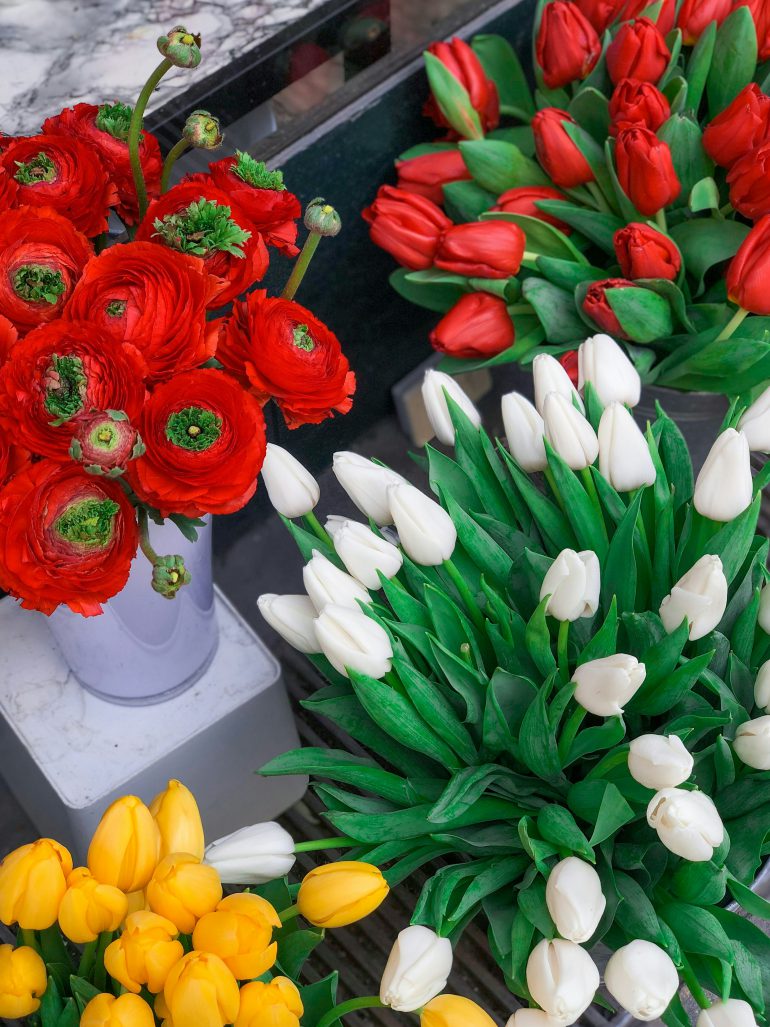
The VAT increase is not limited to tourism. The Dutch floriculture sector is also bracing for significant consequences as flowers and plants are set to move to the higher tax bracket.
A spokesperson for Royal FloraHolland said ‘we are shocked’, and described the measure as ‘a very bad plan by the new government’. The sector expects higher prices to make flowers and plants less accessible, especially for lower-income consumers.
Research by Wageningen University & Research predicts a drop in turnover of €390 million and the loss of approximately 2,400 full-time jobs. Industry representatives warn that these are serious figures with far-reaching consequences. Florists are already feeling the pressure. One Amsterdam-based shop owner stated: ‘A bunch of roses will cost thirty euros. That’s crazy’, according to newspaper De Telegraaf, citing the VAT increase as a key factor that led him to close his business.
Broader economic concerns
Critics argue that the VAT increase contradicts other government goals, such as promoting sustainability and greening urban environments. Higher prices for plants and flowers may discourage consumers from investing in greener living spaces.
Moreover, there are doubts about whether the measure will generate the expected tax revenue. As one industryspokesperson put it: ‘Levying slightly more tax on lower sales is pointless’.
Uncertain outlook
While there is currently no indication that the policy will be reversed in the short term, affected sectors are calling forreconsideration. Businesses are exploring ways to remain competitive, such as offering added value or targeting international visitors. However, with declining bookings, cautious consumers and rising prices, many fear that the VAT increase could have long-lasting effects on key sectors of the Dutch economy.
Written by Nicole Bea Kerr