
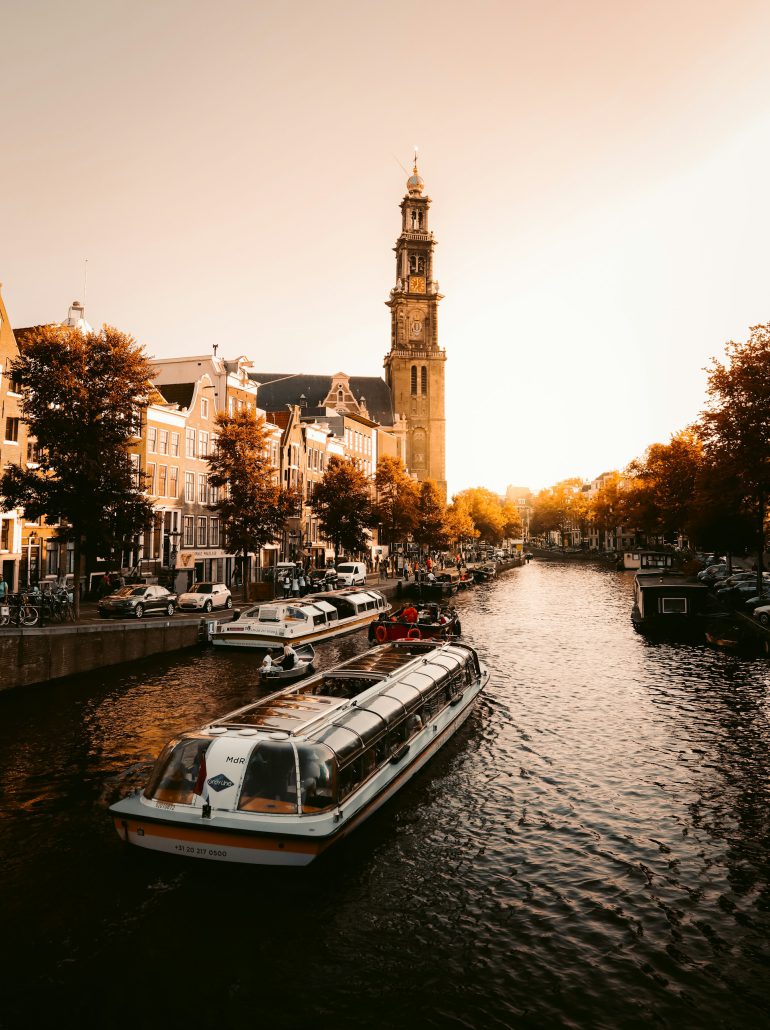
For many expats arriving in the Netherlands, Amsterdam is the natural starting point. Compact, walkable and full of energy, the Dutch capital blends centuries of history with a modern, international outlook. While visitors may initially associate the city with canals, bicycles and tulips, those who stay longer quickly discover a layered, liveable city with strong neighbourhood identities and a surprisingly village-like feel.
From its origins as a small settlement along a river to its current role as a global business and cultural hub, Amsterdam has always been shaped by trade, migration and openness to the world.
A city of neighbourhoods
Amsterdam is often described as a ‘collection of villages’, as its neighbourhoods each have a distinct personality. For expats, choosing where to live often depends as much on lifestyle as on location.
Centrum (city centre)
The historic heart of the city is undeniably tourist-heavy, but it also holds some of Amsterdam’s most beautiful and peaceful corners. The 17th-century canal belt features elegant townhouses, hidden courtyards and world-class museums. From the bustling shopping streets near Dam Square to quiet spots like Begijnhof, the centre rewards those who look beyond the obvious.
Jordaan
Once a working-class district, the Jordaan is now one of Amsterdam’s most sought-after neighbourhoods. Narrow streets, independent art galleries and traditional cafés give it an intimate atmosphere. The Nine Streets (Negen Straatjes) offer boutique shopping, while live music and neighbourhood markets keep the area lively yet authentic.
De Pijp
Multicultural and energetic, De Pijp is one of the city’s most diverse areas. The famous Albert Cuyp Market is its centrepiece, surrounded by cafés and restaurants serving food from all over the world. Popular with young professionals and expats, the neighbourhood combines urban buzz with green space in Sarphatipark.
Oud-West
Trendy but relaxed, Oud-West attracts creatives and young families alike. De Hallen, a former tram depot turned cultural complex, anchors the area with food stalls, a cinema and design shops. Residential streets remain calm, while local businesses give the neighbourhood a strong community feel.
Oud-Zuid
Elegant and spacious, Oud-Zuid is home to Museumplein and some of Amsterdam’s most famous cultural institutions, including the Rijksmuseum and the Van Gogh Museum. The area also features luxury shopping streets, stately homes and easy access to Vondelpark. Many international families are drawn here for its schools and quieter atmosphere.
Noord
Just a short, free ferry ride across the IJ, Noord has become one of the city’s most exciting districts. Former industrial buildings now house start-ups, studios, bars and restaurants. The Eye Filmmuseum and waterfront terraces offer stunning views of the city skyline. Noord feels creative, experimental and slightly removed from the tourist crowds.
Bos en Lommer & De Baarsjes
These western neighbourhoods have undergone significant transformation in recent years. Once overlooked, they now feature lively cafés, local initiatives and a strong sense of community. More affordable than central districts, they appeal to young families and first-time expats.
Oost & Watergraafsmeer
Amsterdam Oost is diverse and dynamic. Indische Buurt is rich in cultural influences, while Oosterpark provides space to relax, exercise or attend small festivals. Watergraafsmeer, with its wide streets and 1930s housing, offers a calmer, family-friendly environment while remaining well connected to the city centre.
Buitenveldert
Located in the south of Amsterdam, Buitenveldert is often overlooked by visitors, but highly appreciated by expats. The neighbourhood is known for its green, spacious layout and calm atmosphere, making it especially popular with international families and professionals working in the nearby Zuidas business district.
Buitenveldert offers a comfortable residential experience, with wide streets, parks such as Amstelpark and Beatrixpark, and easy access to international schools. Daily life is convenient thanks to the Gelderlandplein shopping mall.
Amsterdam Zuidoost (Bijlmer)
Amsterdam Zuidoost, often referred to simply as the Bijlmer, is one of the city’s most dynamic and multicultural districts. Located in the southeast of Amsterdam, the area has undergone a major transformation over the past decades and today offers a unique mix of cultural diversity, modern architecture and green space.
Originally designed in the 1960s as a large-scale modernist housing project, the Bijlmer faced challenges in its early years. Extensive urban renewal has since reshaped the district, replacing many high-rise blocks with varied housing, improved infrastructure and vibrant public spaces. Neighbourhoods such as Amsterdamse Poort and areas around Bijlmer ArenA have become lively centres for shopping, entertainment and nightlife.
Zuidoost is home to major venues like the Johan Cruijff ArenA, AFAS Live and the Ziggo Dome, making it one of the city’s main hubs for concerts and sports events. The district also stands out for its strong cultural identity, reflected in its food scene, festivals and community life, with influences from Surinamese, Caribbean and African cultures.
For expats, Amsterdam Zuidoost offers more affordable housing options, excellent public transport connections and easy access to green areas such as the Gaasperplas. Energetic, diverse and constantly evolving, the Bijlmer represents a side of Amsterdam that is less touristy, but deeply connected to the city’s future.
Eastern Docklands (Oostelijk Havengebied)
A showcase of modern Dutch architecture, the former harbour area has been transformed into a residential, design-focused district. Scenic walks, striking bridges and waterside views make it popular with architecture lovers and urban explorers.
Life in Amsterdam as an expat
What makes Amsterdam particularly attractive to expats is its ease of living. English is widely spoken, public transport is efficient, and cycle paths connect every corner of the city. Cultural life is rich and accessible, ranging from major festivals to small neighbourhood events.
Amsterdam is also a city of contrasts: historic and innovative, relaxed yet ambitious. While housing can be competitive and expensive, the quality of public services, from healthcare to education, is generally high. Most importantly, the city offers space for different lifestyles, whether you’re a young professional, creative freelancer or family settling in for the long term.
A city that invites you in
Amsterdam is more than a postcard-perfect destination. For expats, it offers the chance to become part of a living, evolving city shaped by centuries of trade, ideas and international influence. Whether you’re cycling to work along a canal, exploring a local market or enjoying a quiet coffee in your neighbourhood, Amsterdam has a way of making newcomers feel at home.
Take the time to explore it; before long, you may find that you’re not just living in Amsterdam, but truly belonging to it.